

By Melissa Slaughter, RVT
Veterinary technicians face a unique combination of high emotional load, physical strain, client conflict, financial instability, and moral stress. Burnout and compassion fatigue are extremely common, but they are preventable with the right support.
Let’s talk about some options to support and strengthen your mental wellbeing as a technician and veterinary professional.
Recognize Compassion Fatigue Early
Some early signs to look out for include:
- Emotional numbness after euthanasias
- Irritability with coworkers or clients
- Dreading shifts you used to enjoy
- Trouble sleeping after difficult cases
- Feeling “it’s never enough”
Tech Tip: Normalize saying, “That case hit me harder than I expected.” Naming it reduces the shame you may feel.
Develop a “Post-Euthanasia Reset” Routine
Staff often carry the emotional weight of end-of-life care. When dealing with it afterwards, try to create a small reset ritual such as:
- Step outside for 2–3 minutes
- Wash hands slowly and intentionally
- Take 5 slow breaths
- Share one positive memory about the patient
- HYDRATE – Drink your water!
Set Emotional Boundaries with Clients
You can be compassionate without absorbing everything.
Instead of:
“I’m so sorry, this is awful.”
Try:
“I can see how much you love her. We’re here with you.”
You are present — but not carrying their grief home. It’s already difficult enough carrying your own burdens without carrying theirs too.
Protect Your Energy on High-Volume Days
When you can’t reduce your workload, reduce decision fatigue:
- Prep treatment sheets in batches
- Use checklists, checklists, CHECKLISTS
- Take micro-breaks (60 seconds of deep breathing vs. box breathing)
- Eat protein early in your shift to give you stable energy throughout your shift.
Low blood sugar = higher emotional reactivity.
I.E.: Being “hangry” is all too real.
Tech Tip: A Snickers bar is NOT a good enough snack, but it’s a start. Keep,your favorite protein bar in your go bag!
Build Peer Debrief Culture
After difficult cases initiate discussion or reset:
- “Does anyone need a minute?”
- “That was a tough one.”
- “Want to decompress for a second?”
Quick peer validation reduces isolation dramatically and allows for connection and can decrease the emotional fatigue from cases.
If your clinic doesn’t have this culture, you can and should start it.
Separate Work from Home
Yes, you read that right. Stop logging into Instinct to check your patients board 2 hours after your shift ended. Separating work and home will help decrease the risk of burnout and fatigue.
Try to create a transition ritual to prevent bringing the weight of work home:
- Change your clothes as soon as you get home – you don’t want the smell of those anal glands to remind you of your stressful day.
- Listen to one specific podcast or audiobook only on the drive home. Alternatively create a playlist of your go to music to reset to.
- Take a shower before interacting with family. Use that time to meditate and reset.
This signals to your brain: “Work is OVER.”
Tech Tip: Pick something NON VETMED as your podcast or book. Sara J. Maas has been a recent favorite for this author!
Address Financial Stress
Financial strain is a major mental health contributor in vet med. We all know too well that the pay scale isn’t as it should be across the board. This can make it even more stressful to continue doing work you love when you struggle to pay the bills.
Things to consider:
- Create a budget – and stick to it!
- Talk to your bank about any programs they have involving money management or debt management if needed.
- Think about ways to advance your career to improve pay or even lessen your monthly bills by negotiating the benefits at your job
- Look into industry CE stipends or certification pay bumps
- Negotiate CE benefits or wellness days
- Negotiate coverage for the gym or using therapy programs like Lyra.
- Explore telehealth triage or specialty certification if you want advancement
Use Nervous System Regulation Tools (Not Just “Self Care”)
Painting your nails or in my case thrifting, isn’t adequate to deal with the high levels of stress we deal with on a daily basis.
High-functioning stress needs physical regulation. Try these techniques:
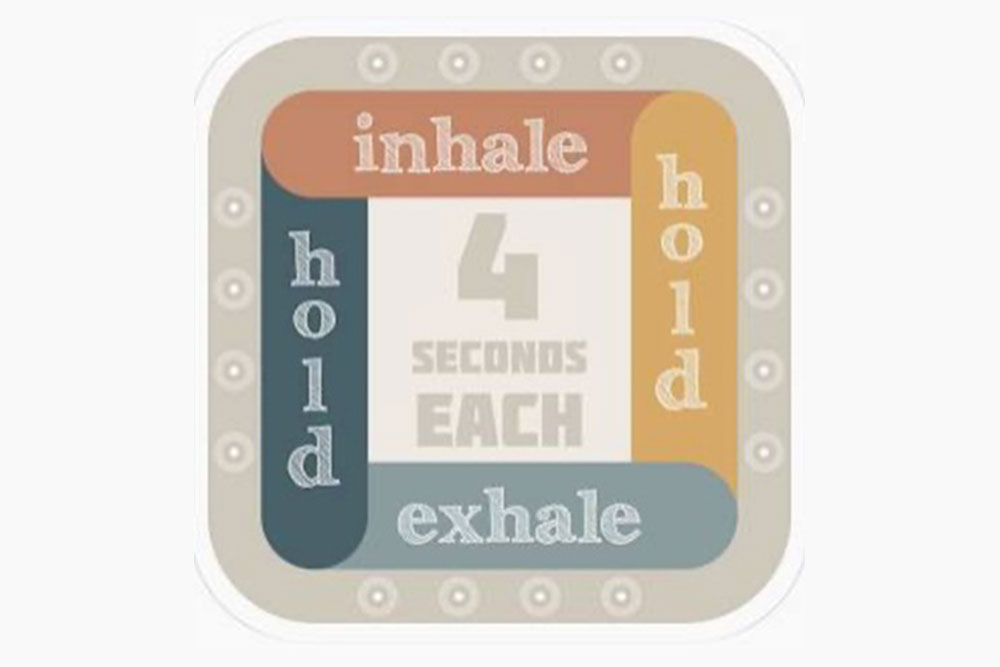
- Box breathing (4-4-4-4)
- 30 seconds of wall push-ups
- Cold water on your wrists
- Take a 10-minute walk after shift
Stress is physiological, not just emotional. Take care of your body, take care of yourself.
Tech Tip: There are great stickers with instructions for breathing techniques you can put on your water bottle. Get your hydration when you reset!
Recognize When Professional Help Is Needed (In Yourself and Others)
Seek support if you recognize:
- Persistent sadness
- Thoughts of leaving the profession impulsively
- Increased alcohol use
- Feeling detached from patients
- Passive thoughts like “I don’t care anymore”
Veterinary professionals have elevated suicide risk — seeking help is strength, not weakness. But sometimes asking for help is the opposite of what someone wants.
Encourage management to invest in QPR training for staff or Mental Health First Aid certification.
Check out these free resources:
- Not One More Vet (NOMV)
- Veterinary Hope Foundation
- AVMA wellbeing resources
- Crisis support (988 in the U.S.)
Reconnect with Purpose (Without Guilt)
Burnout doesn’t mean you chose the wrong field. It just means your duo is spilling over or it’s too empty.
Try these tactics to keep yourself grounded and remind yourself why you joined this field:
- Keeping a “wins” note in your phone
- Take photos (with consent) of recovering patients
- Remember this mantra: Alleviating suffering matters, even when the outcome isn’t perfect
Most Importantly: Create A Mindset Shift
You should always remember that you are allowed to:
- Care deeply
- Have limits
- Say no
- Take breaks
- Leave a toxic environment
- Stay in the profession without martyring yourself



Leave A Comment